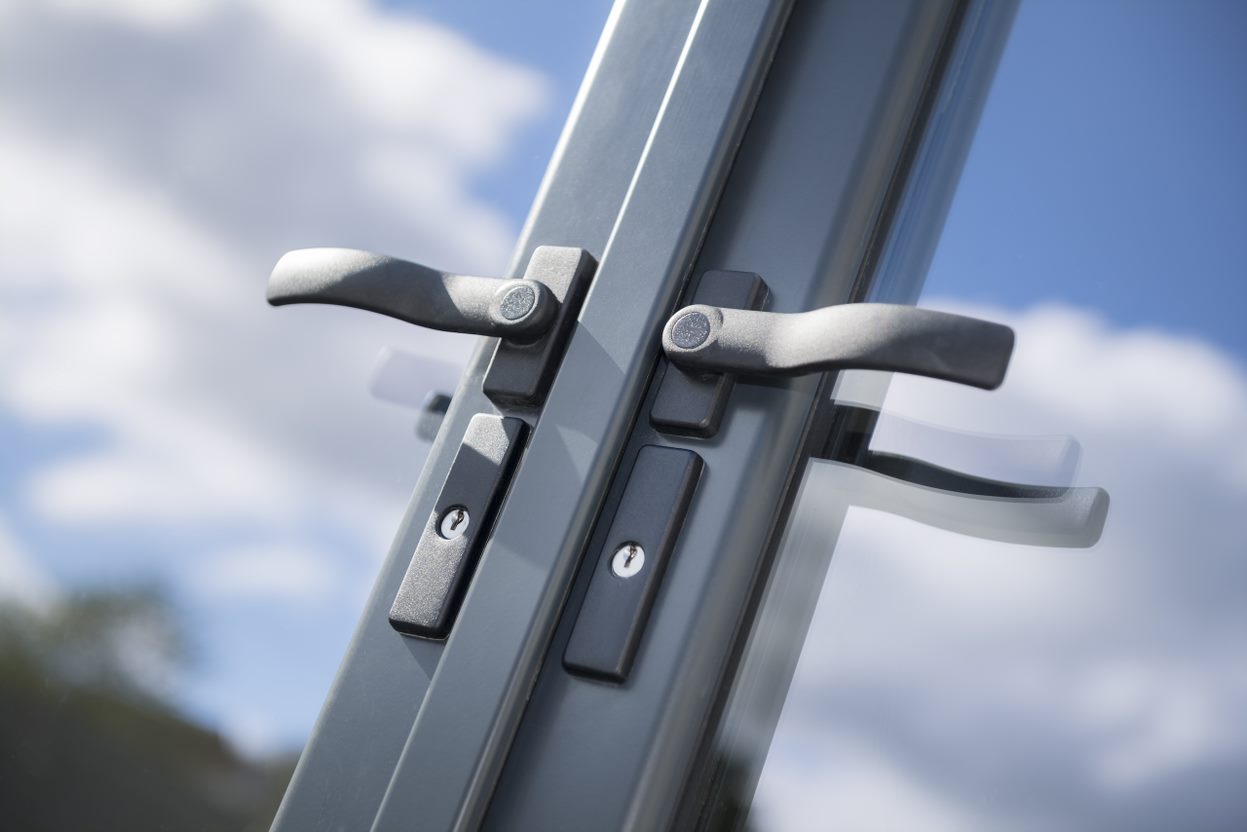
Quick Door Handle Fix: A Comprehensive Guide
Door handles, while typically neglected, play a crucial role in the functionality of any door. Whether in the house or in the workplace, a malfunctioning door handle can be a source of annoyance and disappointment. Thankfully, numerous door handle issues can be rapidly resolved with some simple tools and a bit of knowledge. This short article aims to provide readers with a useful guide on how to fix common door handle problems quickly and efficiently.
Common Door Handle Issues
Before diving into the services, it's important to determine some of the common issues that property owners may encounter with their door handles. These might include:
- Loose Door Handles: An unsteady handle can be annoying and may show that screws are loose or have actually come reversed.
- Stuck Door Handles: Sometimes, door handles might stick or become unmovable, typically brought on by dirt buildup or internal mechanism failure.
- Broken Door Handle: A handle that is completely broken or removed needs instant attention and replacement.
- Misaligned Handles: Handles that ended up being misaligned might not run correctly and could make complex the opening or closing of the door.
- Difficulties with Lock Mechanism: If the handle works, but the lock does not, this might show a concern with the locking mechanism.
Tools Required for Door Handle Repair
Before starting the repair procedure, it's a good idea to gather the necessary tools. Here's a list of common tools you might require:
- Screwdriver (Philips or flathead depending upon the screws)
- Pliers
- Allen wrench (if suitable)
- Replacement screws or handle
- Lube (e.g., WD-40 or silicone spray)
- Cleaning fabric
Step-by-Step Guide to Fixing Common Door Handle Issues
1. Fixing a Loose Door Handle
Loose handles are often a basic fix:
- Inspect the Handle: Check for any noticeable screws on the handle or the base.
- Tighten the Screws: Use a screwdriver to tighten up the screws. If any screws are missing out on, change them with brand-new ones.
- Examine the Handle Action: Once the screws are tightened up, evaluate the handle action to guarantee it operates smoothly.
2. Solving a Stuck Door Handle
A stuck handle may require a little effort:
- Clean Around the Handle: Start by cleaning the location around the handle with a fabric. This can help get rid of dirt or gunk that might cause it to stick.
- Apply Lubricant: Spray a small quantity of lubricant around the base of the handle and work it in with the handle's motion.
- Inspect for Internal Blockages: If the handle remains stuck, take apart the handle and look for internal blockages.
3. Replacing a Broken Door Handle
If a door handle is beyond repair, replacement is needed:
- Disassemble the Old Handle: Use the screwdriver to eliminate screws and remove the handle from the door.
- Purchase a New Handle: Choose a handle that matches the existing door hardware. Measure the size and design to guarantee compatibility.
- Set Up the New Handle: Follow the producer's guidelines to install the new handle firmly.
4. Straightening Misaligned Handles
Misalignment can frequently be fixed:
- Assess the Alignment: Check how the handle lines up with the door lock.
- Change the Handle Position: Loosen the screws slightly, reposition the handle, and after that retighten the screws.
- Check the Functionality: Make sure the handle operates smoothly after adjustment.
5. Troubleshooting Lock Mechanism Issues
If the handle works but the lock does not:
- Examine the Lock: Look for any visible damage to the lock.
- Lubricate the Lock Mechanism: Spray a little quantity of lubricant in the keyhole and work the lock multiple times to ensure smooth operation.
- Think about Replacement: If lubrication does not assist, the lock may require to be changed entirely.
Preventive Measures
Taking preventive measures can help in reducing the possibility of door handle problems in the future:
- Regular Maintenance: Periodically check and tighten screws to avoid loosening.
- Keep Clean: Regularly tidy door handles and surrounding areas to avoid dirt buildup.
- Use Lubrication as Needed: Apply lubricant to handles and locks every couple of months.
Often Asked Questions (FAQs)
Q1: Can I fix a door handle without professional help?Yes, lots of
common issues can be resolved with basic tools and a little knowledge. Simply make sure to gather the needed tools and follow the steps described above.
Q2: How do I understand if my door handle is broken beyond repair?If the handle is significantly harmed, removed, or cracks when used, it might need to be changed. repairmywindowsanddoors.co.uk : What type of lubricant is best for door handles?WD -40
or silicone-based lubes work well for door handles and locks. Avoid utilizing oily lubricants that can draw in dirt. Q4: How typically need to I keep my door handles?Regular checks every couple of months ought to be enough
. If you notice issues such as loosening or sticking
, address them promptly. Fixing a door handle can be an uncomplicated task that saves money and time. From handling loose handles to overcoming
stuck mechanisms, most common problems can be managed with a few basic tools and techniques. By following the detailed actions, house owners can ensure their door handles remain in top condition, enhancing both the functionality and aesthetics of their doors.